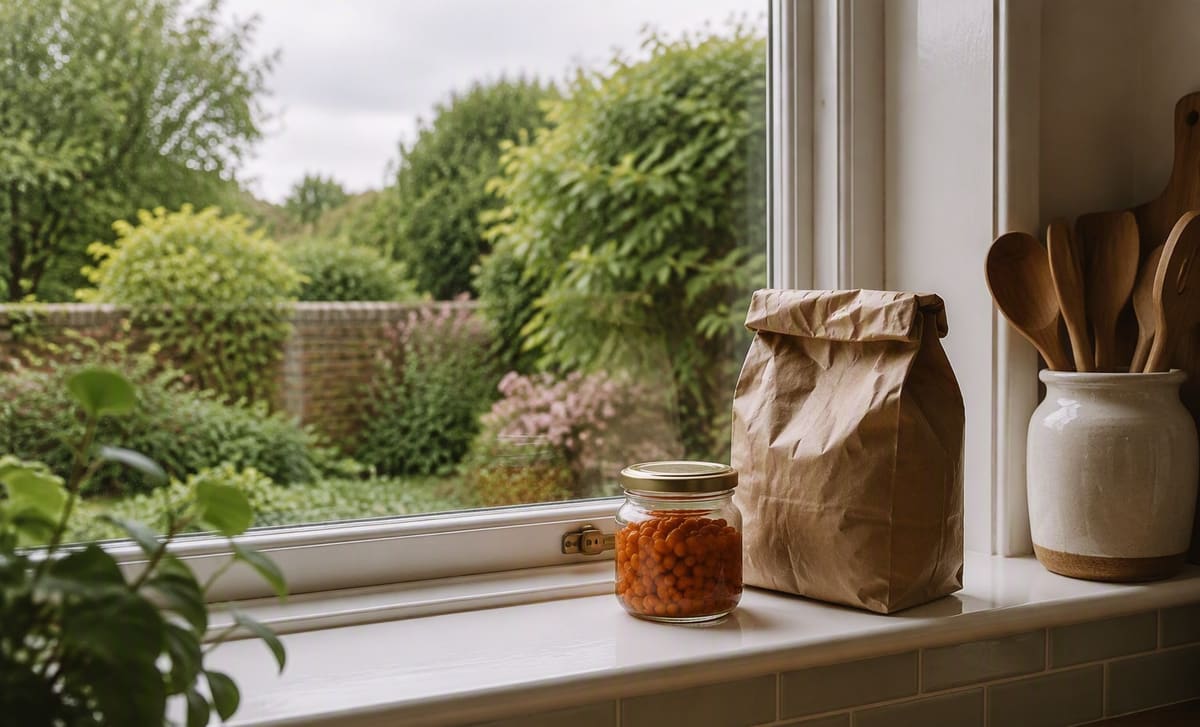
In the UK you can buy sea buckthorn oil, capsules, and juice from high-street health chains like Holland and Barrett, pharmacies such as Boots, Amazon UK, iHerb, and brand-direct shops. It is sold as a food supplement, so the Food Standards Agency does not pre-approve it and there is no approval number to hunt for. Only a herbal product registered with the MHRA carries a THR number. Check the label for plant part, species, and a named origin before you pay.
Where British buyers actually shop
Supplements are the easy part. Health-food chains like Holland and Barrett, pharmacies like Boots, and independent health shops all carry sea buckthorn oil and capsules, and the online channels run deeper: Amazon UK, iHerb, which ships to Britain from a regional site, and the brands’ own stores. For juice and dried berries, look to specialist health retailers and the growers’ own websites. The where to buy guide ranks these channels by how well they protect a fragile oil, and the regions hub maps where the berries in your bottle began.
The label mark that matters: there isn’t one
This is the single most useful thing to know before you shop in Britain. Sea buckthorn supplements are regulated as food, not medicine, so the Food Standards Agency does not approve, license, or number them before they go on sale. Manufacturers do not have to prove safety or efficacy first. So a supplement carries no government approval code, and any seller claiming an official UK stamp of approval is bluffing.
There is one real registration, and it is separate. If a product is sold as a traditional herbal medicine rather than a supplement, the MHRA can grant it a Traditional Herbal Registration, and it then carries a THR number and the THR certification mark. Since April 2011 a manufactured herbal medicine on the UK market has needed a THR or a full marketing authorisation. Almost all sea buckthorn sells as a food supplement, so you will rarely see a THR number, and its absence is not a red flag. It just tells you which set of rules the product sits under.
What the food rules do require is honest labelling: the ingredient list, allergens, net quantity, a best-before date, a UK or EU business address, a recommended daily amount, and a warning not to exceed it. Those lines, not a mythical approval number, are your quality signal.
| Label line | What good looks like | Why it matters |
|---|---|---|
| Regulator status | Food supplement with no FSA number, or a THR number if sold as a herbal medicine | The FSA does not pre-approve supplements, so no code is normal |
| Plant part | Berry, seed, or blend, named outright | It decides which fatty acids you are buying |
| Species | Hippophae rhamnoides | The species the research actually used |
| Origin | A named region | Britain grows little commercially, so most is imported |
| Business address | A UK or EU address on the pack | Food law requires it, and it gives you someone to ask |
Does it grow in Britain?
Yes, on the coast, though not on farms. Sea buckthorn was planted to hold dunes and has naturalized along parts of the southern and eastern English shore, where autumn foragers pick it. There is no commercial berry industry to speak of, so the fresh fruit is a seasonal find rather than a product line. The UK growing and foraging page covers the coastal stands, and the foraging guide explains how to pick it without losing to the thorns. For anything bottled, assume the berries were imported.
What it is called here
In Britain the plant is usually just sea buckthorn, sometimes written sea-buckthorn, and older names like seaberry and sallowthorn still turn up. There is no separate local trade name to search for, so the plain English term is enough.
Before you buy
Decide plant part and dose before comparing bottles. Berry oil leans toward omega-7, seed oil toward omega-3 and 6, and the seed versus berry page is the decoder. For the studied 2-grams-a-day amounts, see the dosage page. Then run the full five-point check on the how to choose guide, and if you want products that already passed it, the oil buying guide scores each one.
Buyers in the other English-speaking markets can compare local rules on the Canada, Australia, and India buying pages cover the neighbors.
Frequently asked questions
Do you need a prescription to buy sea buckthorn in the UK?
No. It is sold as a food supplement, so you can buy the oil, capsules, and juice freely from health shops, pharmacies, and online. Only licensed medicines need a prescription, and sea buckthorn supplements are not medicines.
Does the FSA approve sea buckthorn supplements?
No. The Food Standards Agency regulates supplements as food and does not approve or license them before sale, so there is no FSA approval number to look for. A product that calls itself FSA approved has misread the rules. Judge it on the label lines instead.
What is a THR number on a UK herbal product?
A Traditional Herbal Registration number from the MHRA. Since April 2011 a manufactured herbal medicine sold in the UK needs a THR or a full licence. Most sea buckthorn is sold as a food supplement rather than a herbal medicine, so it will not carry a THR number, and that is normal.
Does sea buckthorn grow in the UK?
Yes. It grows wild on parts of the British coast and foragers pick it in autumn. There is no real farming industry, though, so almost every bottled UK product uses imported berries, usually Himalayan or European.