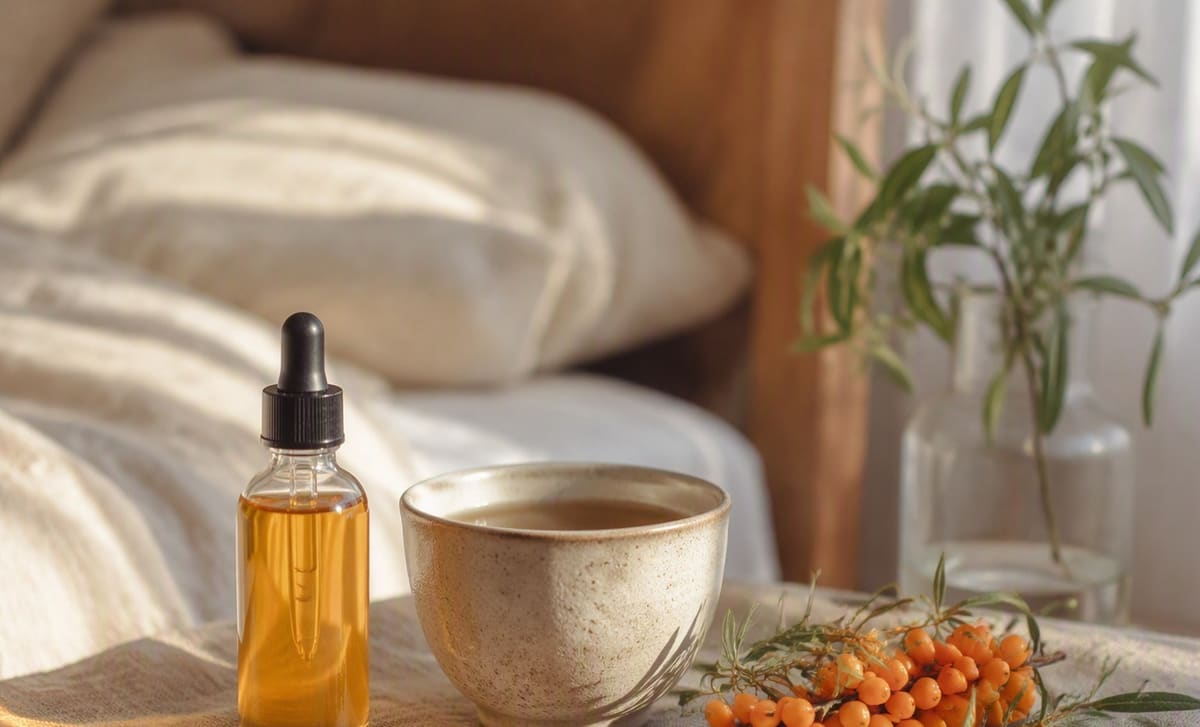
For women specifically, sea buckthorn has one standout trial: 3 grams of oil daily eased vaginal dryness after menopause over three months, versus placebo. The skin hydration trials were also run in women. Pregnancy and breastfeeding are a different story: concentrated supplements are untested in people there, so the answer is food yes, supplements no.
Women’s health content online swings between miracle claims and fear. This collection does neither. Every page states the evidence, the gaps, and the exact situations where the answer changes. For claims that are not specific to women, the main benefits guide grades them the same way.
How to read this cluster
Every page here sits in one of three tiers, and the tier matters more than the topic. Tier one is tested: vaginal dryness, where a randomized, placebo-controlled trial exists in exactly the population it targets. Tier two is food: the berry as food, safe and nutrient-dense across life stages, detailed on the nutrition hub. Tier three is unstudied: PMS, fertility, hormones, PCOS, where the honest page is the one that says so in plain words. If you remember one thing from this site, make it this: here, “no data” is written out loud, never hidden behind adjectives.
The evidence at a glance
- Vaginal dryness after menopause: the standout. One randomized, double-blind, placebo-controlled trial (116 women, 3 g of oil daily for three months) found about three times greater improvement in vaginal epithelial integrity versus placebo. Vaginal pH and maturation index did not change, which points to a non hormonal route. That matters for women who cannot or do not want to use estrogen. The honest limit: the effect was modest next to topical estrogen, so read it as support, not replacement.
- Skin hydration: moderate, measured mostly in women. Both oral-oil skin trials enrolled female participants. Hydration improved in each (about +49% at three months in the open 2009 study, +8% in the placebo-controlled 2024 one), and both carry caveats the skin pages spell out.
- Pregnancy and breastfeeding: no human data. Concentrated oil supplements have never been tested in people there. The berry as food is fine. Supplements are a skip.
- Everything else marketed to women: hot flashes, mood, hormones, fertility. Untested. The menopause trial measured vaginal endpoints, and no trial has measured the rest.
In this collection
Sea buckthorn for menopause: the vaginal dryness trial in full
Vaginal dryness, skin changes, and the one randomized trial that tested sea buckthorn oil directly in postmenopausal women. What improved, the dose, and the honest limits.
Sea buckthorn during pregnancy: the safety-first answer
A safety page, not a benefit page. Why “natural and traditional” does not settle this one, what is actually unknown, and the conservative line we recommend.
Sea buckthorn for PMS: unstudied, and we say so
No human trial has tested sea buckthorn for premenstrual symptoms, so this page covers the nearest research and the remedies that actually have data.
Sea buckthorn for vaginal dryness: the trial in full
The symptom page for the standout trial: 116 women, 3 grams daily, three months, odds ratio 3.1 for improved vaginal epithelial integrity, the compliant-only analysis that lost significance, and why the flat hormonal markers make it a non-estrogenic option.
Sea buckthorn for PCOS: why people ask, what we know
No PCOS trials exist. The lipid connection that fuels the question, the honest nulls on sugar and weight, and why management stays medical.
Sea buckthorn while breastfeeding: the safety answer
Unstudied in lactation, full stop. Berries as food are fine, concentrated oil supplements wait until weaning, and the infant exposure question is unanswerable from data.
Sea buckthorn for fertility: the honest answer
Zero fertility trials exist. Why the dryness study gets misread as a fertility finding, and why conception questions belong with diagnostics, not supplements.
Sea buckthorn and hormones: what the trial showed
The menopause trial’s quiet finding: vaginal pH and the maturation index stayed flat, meaning no estrogen-like action. What hormone-balance claims are made of.
Sea buckthorn for postpartum hair loss
Postpartum shedding is hormonal timing and self-resolving. No sea buckthorn data, the breastfeeding caution, and the red flags worth blood work.
Who should start where
- Dryness is the issue: the menopause page, then the dosage page for the studied 3 g.
- Skin is the issue: the skin hub carries the fuller trial coverage.
- Pregnant or breastfeeding: the pregnancy page, then stop. It is short on purpose.
The through-line
Both landmark skin trials enrolled women, and the vaginal dryness trial enrolled postmenopausal women specifically. If you notice a pattern, you are right: much of the best sea buckthorn evidence was built on female participants, which makes these pages unusually direct rather than extrapolated.
Frequently asked questions
What does sea buckthorn do for women?
The strongest women-specific evidence is for vaginal dryness after menopause: one randomized trial found 3 grams of oil daily for three months improved symptoms versus placebo. Skin hydration trials were also run mostly in women. For pregnancy and breastfeeding, concentrated supplements are untested in people and should be skipped.
Which women's health claim has the best evidence?
Vaginal dryness after menopause, by a wide margin. It is the only women-specific claim backed by a randomized, double-blind, placebo-controlled trial in the exact population it targets. Skin hydration sits one tier below, with two trials run in women. Everything else marketed to women, from hormone balance to fertility to PMS, has zero direct trials behind it.