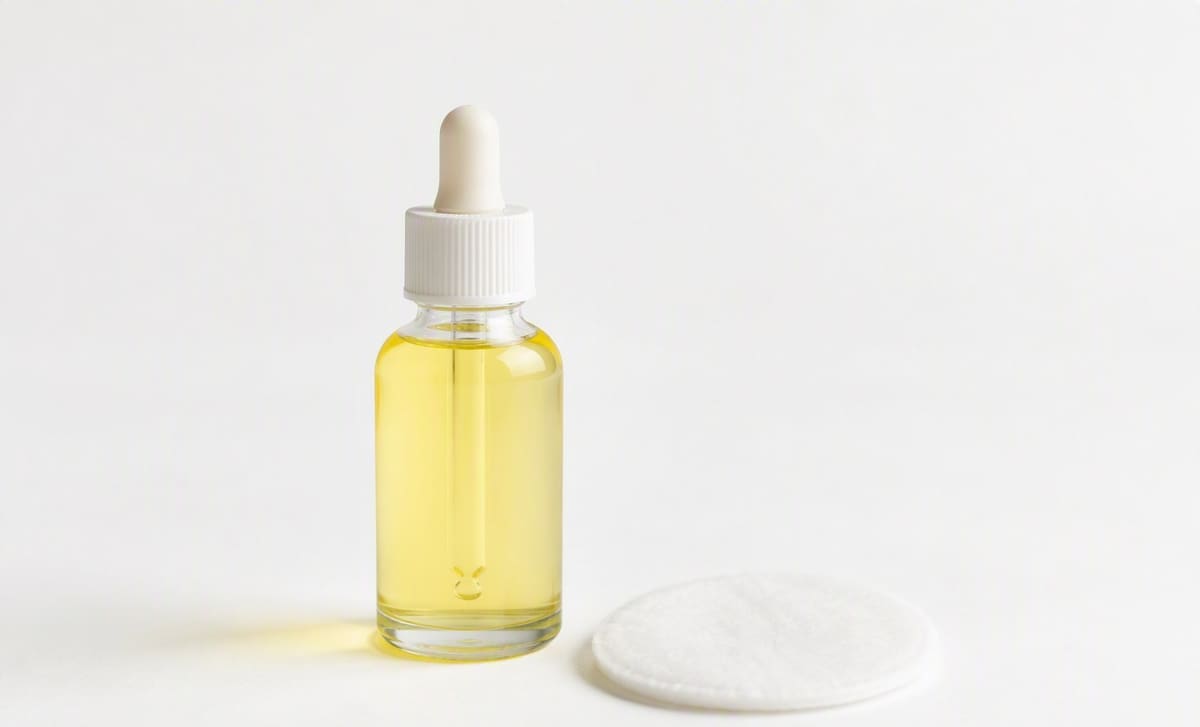
Sensitive skin can usually meet sea buckthorn safely, on one condition: slowly. Seed oil over berry oil, a diluted start, one variable at a time, and a three-day forearm test before anything touches your face. Skin that reacts to everything is not a product problem. It is a dermatologist problem wearing a product costume.
What “sensitive” usually means
Sensitive skin is not a diagnosis, it is a description: skin that stings, flushes, or itches at products and weather that most people tolerate. The common thread underneath is a leakier barrier plus more reactive nerves, which is why the same person often reacts to fragrance, wind, and hot water alike. The practical consequence is not “avoid everything.” It is “introduce one thing at a time, gently, and keep score.” The skin hub grades every claim you might introduce that way.
The two-oil choice matters more here
Seed oil is the sensitive-skin pick: pale, light, and free of the berry oil’s carotenoid pigment. Berry oil is not more irritating by chemistry, but its tint makes any redness harder to read, and reading your skin is the whole game. Save berry oil for after you know your skin’s vote.
The seed oil’s chemistry helps the case. It is built on linoleic and alpha-linolenic acids, the same fatty-acid family your barrier uses, and a single-ingredient bottle carries no fragrance, preservatives, or essential-oil extras to react to. Fewer ingredients means fewer suspects. Counting the ingredients on the back panel is one of the label checks in our five-minute buyer’s checklist, and on skin that reacts it earns its place faster than any of the others.
The cautious protocol
- Dilute to start. One drop of seed oil in roughly ten parts of a plain, fragrance-free moisturizer you already tolerate.
- Forearm first. Three days on the inner forearm. Calm skin graduates the test.
- Jaw second. A week along the jaw before full-face use.
- One variable at a time. Nothing else new in the same fortnight, or you will never know what to blame.
- Increase slowly. Full-strength drops only after a calm month, and two drops is still plenty.
The dilution math, made easy
The 1:10 start needs no lab equipment. Put your usual blob of moisturizer in your palm, add one drop of oil, mix with a finger, apply. A calm week earns a step up to two drops in the same blob, then a drop pressed straight onto damp skin at night. The dilution guide has the ratios and carrier options in full. Each step gets its own calm week, because speed is how sensitive skin gets ambushed.
The calendar view
Put together, the cautious path takes about six weeks: diluted on the forearm, diluted on the jaw, then gentle full-strength, with a calm month before you call it a success. That feels slow until you compare it with the alternative, which is a reaction, a reset, and starting the clock over. Sensitive skin rewards the person who budgets the weeks up front, and the same patience applies to every new product afterwards, not just this oil. Write the dates in the reaction diary described next, so the calendar is a record and not a guess.
Keep a reaction diary
Memory lies about patterns. A simple note on your phone, what you applied, when, and what your skin did by morning, turns three weeks of guessing into a readable record. Note the quiet partners too: new detergent, a hot shower habit, a stressful week. Sensitive skin reacts to stacks, and the diary is how you see the stack.
The partner products decide too
Sensitive skin rarely reacts to one ingredient. It reacts to stacks. Fragrance is the most common offender, so pair the oil with fragrance-free cleanser and moisturizer during the trial. Actives like strong acids or retinoids in the same week cloud the experiment further.
The stop rules, stated plainly
Stop means stop: wash the oil off, return to your plainest routine for a quiet week, and do not retry at the same strength. The stop signals are redness that lasts past an hour, stinging that repeats on day two, new bumps, or itch. Skin that stays calm through the full protocol has earned the oil a permanent place, and “permanent” still means two drops, not a pipette.
Common mistakes
- Skipping the forearm stage. The jaw test feels sufficient until the day it is not. Three boring days first.
- Judging after one application. Stinging that fades in a minute is different from redness that stays an hour. Watch the clock, not the moment.
- Testing during a flare. Skin already angry will blame whatever arrives next. Wait for a calm week, then test.
- Buying blends. “Sea buckthorn plus botanicals” adds ten suspects to a question that needed one.
- Assuming natural means gentle. Essential oils are natural and are among the most common sensitizers on labels. Single-ingredient boring is the goal.
When sensitive is a condition
Skin that flushes, stings across whole product categories, or flares in cycles may be dealing with rosacea or dermatitis rather than ordinary sensitivity. The rosacea page and the dermatitis page cover those rules. A diagnosis beats a decade of careful guessing.
Frequently asked questions
Is sea buckthorn oil safe for sensitive skin?
Usually, introduced slowly: choose the seed oil, start diluted (about 1 drop in 10 of a plain moisturizer), patch test on the inner forearm for three days, then the jaw for a week. Fragrance-free everything else during the trial. Stinging or redness that lasts means stop, and skin that reacts to everything deserves a dermatologist.
Seed oil or berry oil for sensitive skin?
Seed oil first, always. It is pale, light, and free of carotenoid pigment, so any redness your skin shows is yours and not the oil's tint. Berry oil is not chemically harsher, but its color makes reactions harder to read. Graduate to a diluted berry oil only after a calm month at full-strength seed oil, if at all.