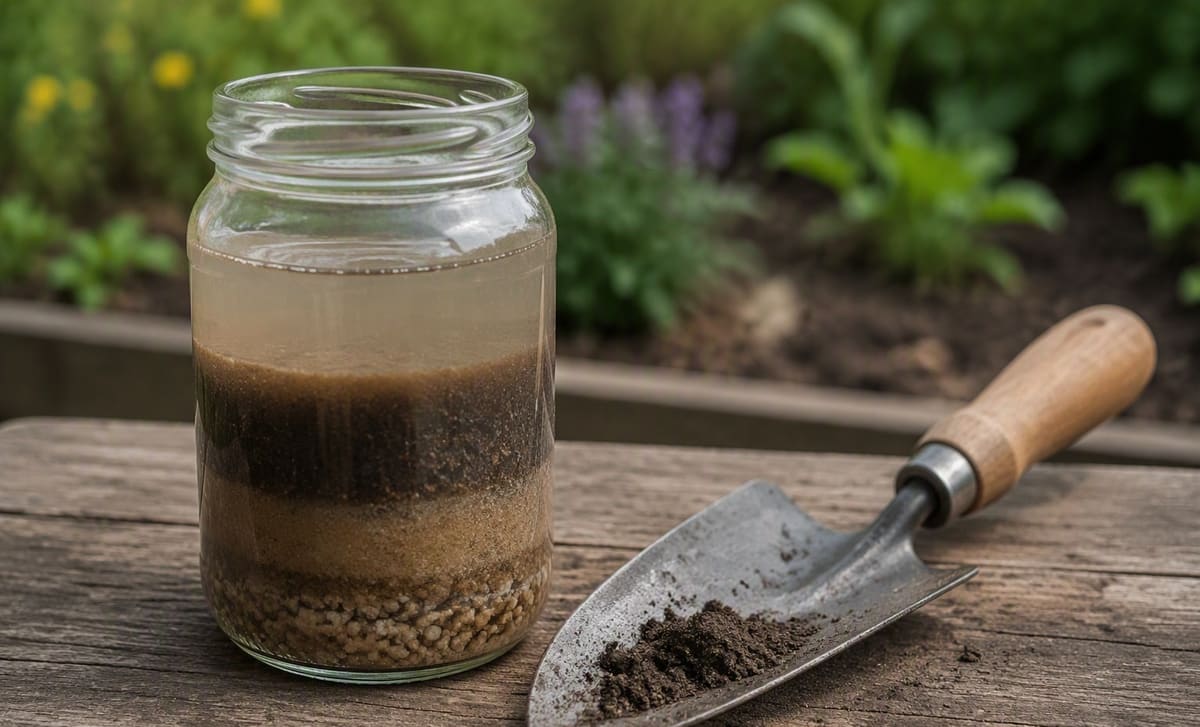
Sea buckthorn asks for one soil quality and forgives almost everything else: drainage. Sandy, gravelly, poor, salty, or alkaline ground all work, across a pH of roughly 6 to 8. The single killer is waterlogged clay, which rots the roots. If your soil holds water, plant on a ridge or pick a different shrub.
The drainage test
Dig a hole 30 cm deep, fill it with water, and watch. Gone within an hour or two: perfect. Still sitting there by evening: you have a drainage problem, and sea buckthorn will have one too. On slow ground, plant on a 30 to 40 cm ridge or raised bed and let gravity do the draining. The growing hub maps the rest of the site decisions.
What it tolerates, happily
This shrub evolved on riverbanks, coastal dunes, and mountain slopes, and it shows:
- Sandy and gravelly soils: ideal, actually.
- Poor soils: no problem. It fixes its own nitrogen through root bacteria, detailed on the nitrogen-fixing page.
- Saline and alkaline soils: tolerated, which is why it is used for land reclamation and coastal shelterbelts.
- pH roughly 6 to 8: the comfortable band, from slightly acidic to properly alkaline.
What it will not forgive
Heavy clay that stays wet. Wet roots suffocate, and this species is not built for swamps despite the riverbank ancestry. Compaction is the quieter version of the same problem. Fork the planting area over, plant high, and never improve the planting hole with rich compost that turns it into a sump in wet years.
Feeding the soil, lightly
Because the shrub feeds itself nitrogen, your soil work is minimal: a thin compost mulch yearly if you feel generous, and phosphorus and potassium only if a soil test asks for them. The fertilizer page has the full skip- the-nitrogen reasoning, the watering page pairs with this one.
The living part of the soil
The shrub’s independence comes from a partnership: its roots host specialist nitrogen-fixing bacteria in nodules, converting air into fertilizer on site. The nitrogen-fixing page tells that story fully. The practical upshot for soil work is that feeding is nearly unnecessary and the soil life around the roots is worth protecting, so skip harsh treatments and let mulch do the improving slowly.
Fixing problem soils
Heavy clay: do not fight it in the hole. Build a ridge or raised bed 30 to 40 cm high and plant on top, letting gravity drain the root zone. Sand: nearly ideal already. A yearly compost mulch adds the water holding it lacks. Compacted ground: fork it over a wide area before planting so roots can run. Very alkaline or salty ground: plant anyway, since this is the shrub used for exactly those reclamation jobs, as the where it grows page shows.
Mulch, the quiet soil worker
A wide ring of compost, wood chips, or shredded bark does four jobs at once: holds summer moisture, keeps weeds from competing with young roots, feeds the soil slowly, and protects the base from strimmer wounds. Keep it a hand’s width off the stems, refresh it yearly, and count it as most of your soil management. The watering page explains the moisture half.
Soil and the harvest, connected
Site quality shows up in the bucket. On drained, sunny ground the shrub crops heavily for decades. On merely survivable ground it lives, looks fine, and fruits politely. The gap between surviving and producing is mostly sun and drainage, which is why the planting guide spends so much of its length on where the hole goes.
Common soil failures
- The sump hole. Rich amended backfill in clay collects water and rots roots in the first wet winter.
- Ignoring the puddle test. If water stands after rain, believe it and plant high.
- Mulch volcanoes. Mulch piled against stems invites rot and rodent cover. Wide and flat, never heaped.
- Feeding for nitrogen. The shrub makes its own. Added nitrogen grows leaves at the expense of berries, as the fertilizer page repeats for emphasis.
If you inherit terrible ground
Sea buckthorn is the reclamation shrub planted on spoil heaps and eroded slopes, so “bad soil” is closer to its native habitat than a pampered bed is. The two true deal-breakers remain standing water and shade. Everything else is a preference, and preferences are what the mulch ring is for.
Frequently asked questions
What soil does sea buckthorn need?
Drained soil, full stop. It tolerates sandy, gravelly, poor, saline, and alkaline ground across a pH of roughly 6 to 8, and it fixes its own nitrogen. The one soil that kills it is heavy, waterlogged clay. On clay, plant on a ridge or in a raised bed, or choose a different shrub.
Will sea buckthorn grow in clay soil?
Only if the clay drains. Heavy clay that stays wet rots its roots, and it is the one soil that reliably kills this otherwise indestructible shrub. On clay, plant on a 30 to 40 cm ridge or raised bed so the root zone sits above the wet. Clay that drains reasonably is fine.