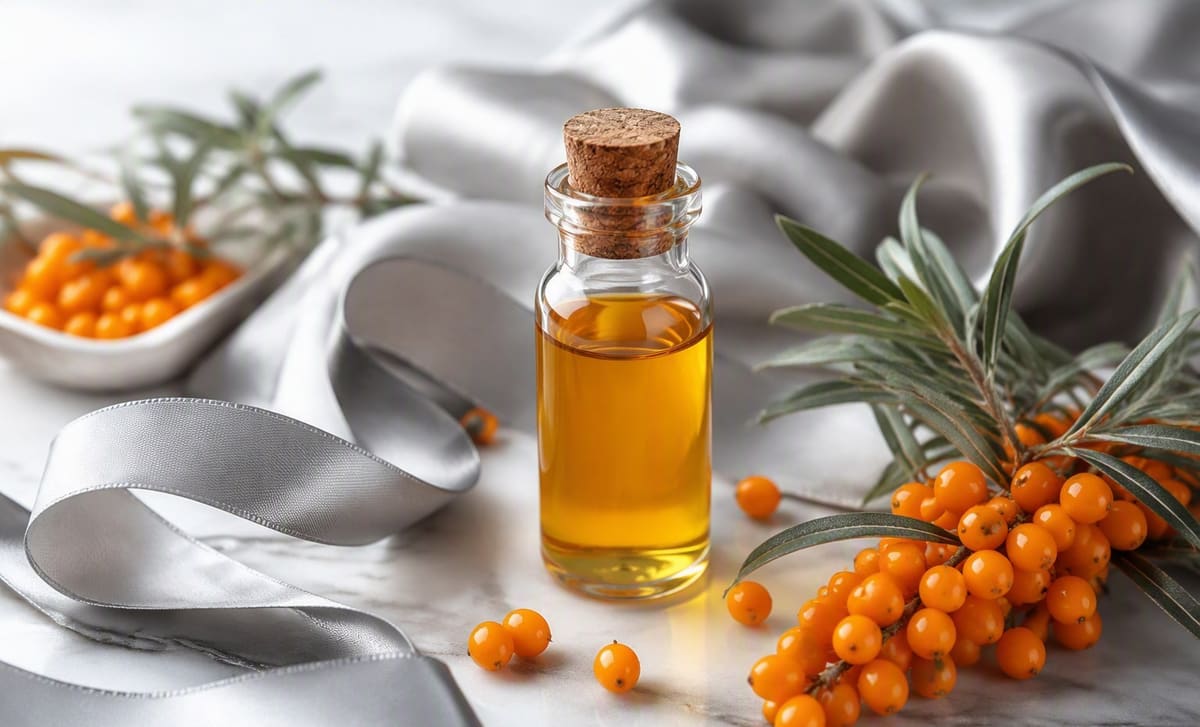
Let’s be completely straight: nothing repigments grey hair. Greying is genetics plus the slow retirement of the pigment cells in each follicle, and no oil or supplement calls them back to work. What sea buckthorn genuinely offers grey hair is conditioning and shine, plus one quirk: berry oil can lend grey and white hair a temporary warm tint. Some people love it. Some don’t.
Why every reversal claim is fiction
Hair greys when melanocytes, the cells that inject pigment into each growing strand, slow down and stop. Age and genetics set that schedule, with stress and health in supporting roles. Family photos are the best predictor of your own timeline, which is either comforting or the opposite.
Once a follicle stops pigmenting, the strand grows in white. Full stop. No topical product or oral supplement has human evidence for restarting the process, and that includes every diet and oil ever marketed. Anyone selling grey reversal is selling fiction, whether the bottle says sea buckthorn or something else. The hair hub grades every claim in this collection the same way.
Why the myth persists anyway
Hope is a strong seller, and grey reversal is one of its oldest products. The before-and-after photos change the lighting, not the pigment. And here’s the sneaky part: the temporary berry-oil tint itself can be misread as darkening, because warmth on white hair reads as richer color in the mirror. A stain isn’t repigmentation. It washes out, and the follicle never changed its mind.
The tint quirk, fully explained
Berry oil is loaded with carotenoids. White and grey hair has no pigment of its own, so repeated use can deposit a subtle warm, golden cast on it. The effect doesn’t appear from one use. It builds gradually, and it leaves gradually too, washing out over a few shampoos.
On silver hair the result can look deliberate and lovely. On cool white hair it can read as brassiness. Which camp is your hair in? Only a strand test answers that. Oil a hidden strand underneath, weekly, for a month, before committing the whole head. If you color your grey, the question doubles: test on a hidden strand and wait a wash or two before judging.
Want zero color risk? The seed oil is pale and tint-free, and the seed vs berry page settles the chemistry.
What grey hair actually needs
Grey strands run drier and wirier, because oil production slows with the same aging that stops the pigment. That makes grey hair the best candidate on this site for plain conditioning, and the routine is simple:
- Two to 3 drops of oil on damp ends after washing, kept off the roots.
- Gentle washing rather than daily washing, because over-washing strips what little oil the scalp still makes.
- A decision on the tint question, made with a strand test instead of a surprise.
Soft, glossy grey beats yellowed or frizzed grey by a distance, and that’s a win an oil can actually deliver.
The upside nobody markets
Grey hair shows shine better than pigmented hair. Light reflects off the whole strand, so a smoothed cuticle on silver hair produces the kind of gloss people pay salons for, and 2 drops of oil deliver it at home. The physics lives on the shine page. Grey hair is the best canvas for it.
What to tell the salesperson
If a bottle, serum, or supplement promises to bring your color back, one question ends the conversation: where’s the human trial showing repigmentation? There isn’t one. For sea buckthorn or anything else.
Spend the money on a good conditioner and, if the warm tint appeals, a bottle of berry oil with honest labeling. The oil buying guide covers the bottles we’ve scored, the growth page applies the same test to growth claims.
Frequently asked questions
Can sea buckthorn reverse grey hair?
No. Greying is genetics plus melanocyte biology, and no oil, supplement, or food repigments hair once the pigment cells stop. Any product claiming reversal is lying to you. What sea buckthorn can do: condition grey hair beautifully and, with berry oil, add a temporary warm tint some grey-haired people love.
Will sea buckthorn berry oil stain my grey hair permanently?
No. The warm tint some grey and white hair picks up from berry oil is a surface carotenoid deposit, and it washes out over a few shampoos. If you want zero color risk, use the pale seed oil, which conditions without the pigment question.