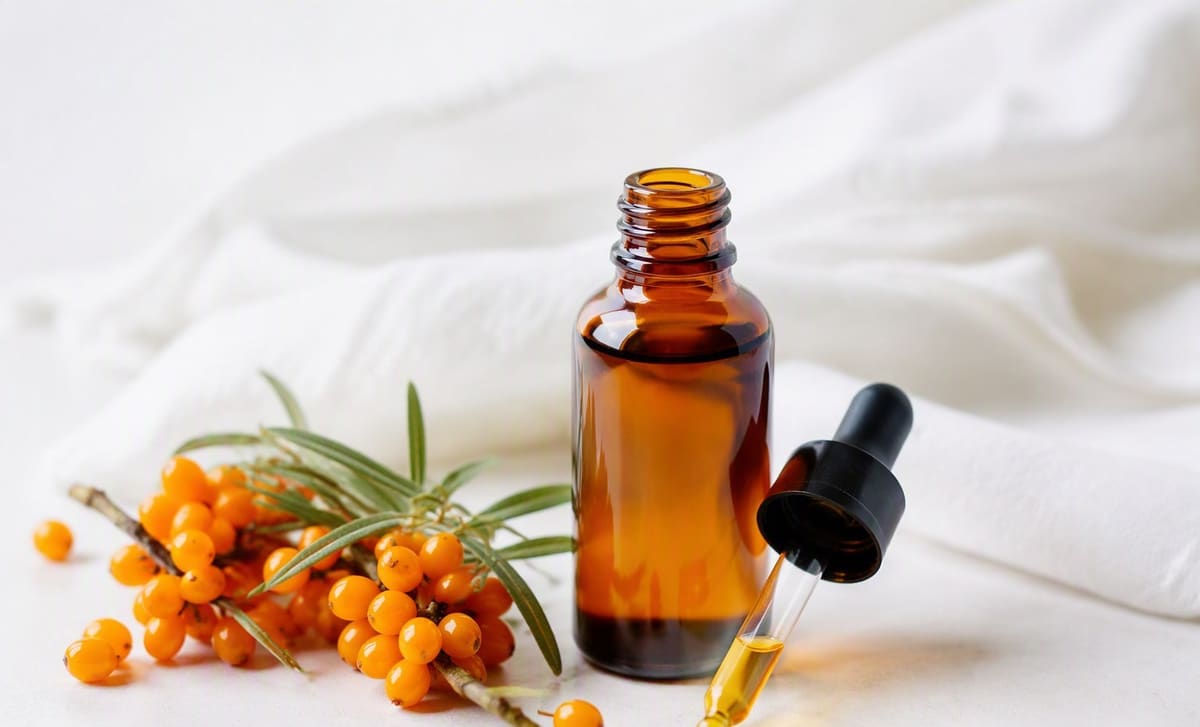
Poppy Austin is the Amazon-native beauty play: sea buckthorn oil marketed for skin and hair with polished, marketing-forward presentation. The oil itself is cosmetic-grade and the labels have historically been vague about whether you are getting berry, seed, or blend, so read the current one. It scores 6.8 in our rubric.
Research-based review per our editorial policy. Beauty-brand labels change often, so where we say check the label, we mean the current one on the listing.
The scorecard
| Criterion | Weight | Poppy Austin result | Score |
|---|---|---|---|
| Purity and sourcing | 30% | Cosmetic-grade positioning, Amazon-native | 7.0 |
| Fatty acid profile | 25% | Check the current label: berry, seed, or blend | 7.0 |
| Third-party testing | 20% | No published assays found | 6.5 |
| Value | 15% | Price per ml on the high side; check current price | 6.5 |
| Transparency | 10% | Labels historically vague on oil type | 6.5 |
Label vagueness costs points here the same way it does across our brand write-ups. A bottle that will not say berry or seed cannot score well on a rubric that weights transparency at 10%.
What we verified
- The positioning: a beauty brand built for marketplace retail, with sea buckthorn oil sold for face and hair use.
- The label question: whether the oil is berry, seed, or a blend has not always been clear on this line. That distinction changes the fatty acid profile you are paying for, so check the current label against the seed vs berry page.
- What we could not verify: published lab assays or origin documentation.
The products in the line
- Sea buckthorn oil for skin and hair: a cosmetic-grade oil in a beauty-brand bottle. For facial use, compare price per ml against the picks in the skincare guide, because this lane of the market charges for packaging.
Where Poppy Austin falls short
Verification and value per ml. No published assays, historically soft label specificity, and pricing that reflects beauty marketing more than bulk oil economics. None of that makes the oil bad. It makes the premium hard to justify on documents.
Who should buy Poppy Austin
Skincare shoppers who like the brand’s presentation and want a single cosmetic oil for face or hair, after checking the current label for oil type. Value-driven buyers will do better in the brands ranking, and the skincare guide compares the verified topical options.
The label, line by line
Everything about this brand comes down to one label question: is the oil berry, seed, or a blend. The three are different products with different fatty acid profiles, and this line’s labels have historically been vague about which one is in the bottle. That vagueness is why both fatty acid profile and transparency sit at or below 7.0. The seed vs berry page explains what each oil actually contains. Beauty labels also change often, so the correct label to read is the current one on the listing you are buying, not a screenshot from any review, including this one.
The cost-per-day question
A facial oil is used in drops, so even a premium bottle can last a month or two. The issue is price per ml, which runs high in this lane, because beauty marketing and packaging are built into the tag. The documented anchors: SIBU’s certified-organic pure seed oil is $24.95 for 30 ml, and The Ordinary is the budget berry-oil entry. Against those, the premium here buys presentation rather than paperwork, since no assays are published. That is why value scores 6.5. The oil itself may be perfectly nice. The documents do not justify the markup.
How it compares
The closest documented alternative is The Ordinary’s sea buckthorn fruit oil, cosmetic grade and cold pressed, at the lowest entry price in the category. Same lane, clearer labeling, lower price. Poppy Austin’s edge is the beauty-brand experience and gift-ready presentation. Against the scored topical specialists the gap is paperwork, not presentation. If that experience is what you want, the premium is a choice rather than a mistake. If the oil is what you want, the face oil guide ranks the verified options.
What would raise or lower the score
Raise it: a label that names the oil type plainly, plus any published assay. Both are cheap fixes, and either would move this brand off the 6.8 plateau quickly. Lower it: continued vagueness as listings refresh, or price increases with no added documentation. Beauty brands reformulate and relabel often, so this score is more perishable than most on our list.
Who should skip Poppy Austin
Anyone buying on documentation. No assays, no origin paperwork, and a history of soft label specificity means evidence-first buyers have nothing to hold. Supplement seekers should skip it entirely, since this is a cosmetic oil and nothing here is dosed for internal use. The brand sells a beauty experience. Buyers who want verified sea buckthorn chemistry should shop the scored specialists instead.
What to verify before you buy
Open the current listing and read the ingredients, not the marketing copy. Confirm the oil type, check the volume in ml, and compute the price per ml against the anchors above. Look for any newly published lab documents. If the label now names the oil clearly and the math works for you, buy it as a cosmetic oil for face or hair. If the label is still vague, the brands ranking shows what the same money buys with paperwork attached.
The marketplace caveat
Amazon-native means listings churn: same brand, refreshed labels, shifting prices. We score what we can see, and what we can see changes faster here than with specialist brands. Treat this review as a snapshot with a method attached. The method survives. The snapshot ages.
Frequently asked questions
Is Poppy Austin sea buckthorn oil pure?
Check the current label before assuming. Poppy Austin is an Amazon-native beauty brand, and its sea buckthorn labels have historically been vague about whether the oil is berry, seed, or a blend, which changes what you are actually buying. It scores 6.8 in our rubric: fine cosmetic oil, marketing-forward presentation, price per ml on the high side.
Is Poppy Austin oil for skin or for eating?
Skin and hair only. It is a cosmetic-grade oil sold by a beauty brand, and nothing in the line is dosed or labeled for internal use. If you want a supplement, the capsules guide and our ranked list cover the verified options.