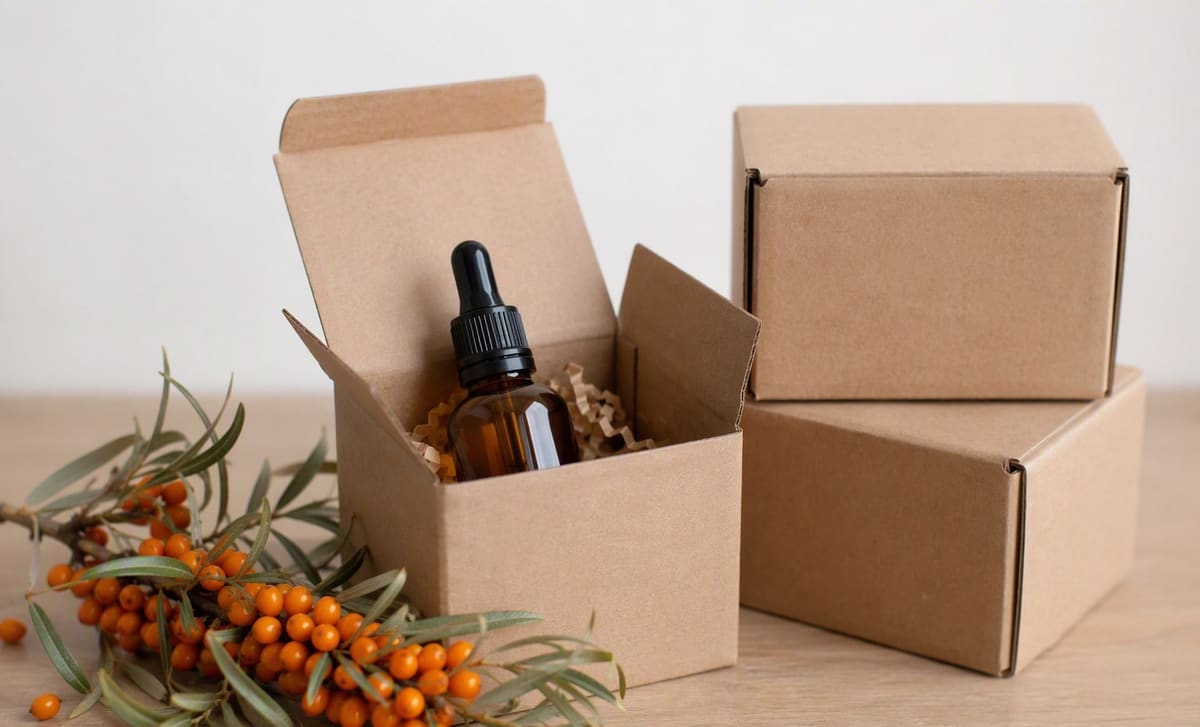
For sea buckthorn oil, freshness is the whole game, so the channel ranking is: brand-direct for guaranteed fresh stock, iHerb and Vitacost for the best price-to-trust ratio, and Amazon only when the seller is the brand itself. Third-party marketplace sellers are where old, diluted, and diverted bottles go to find buyers.
The head-to-head
| Factor | Brand direct | iHerb / Vitacost | Amazon |
|---|---|---|---|
| Freshness confidence | Highest: shortest supply chain | High: climate-controlled, fast turnover | Medium: brand storefronts fine, third parties unknown |
| Prices | List price, occasional promos | Often discounted, frequent sales | Variable, sometimes suspiciously low |
| Range | One brand per cart | All major brands in one order | Widest, including sellers to avoid |
| Buyer protection | Brand support, sourcing answers | Established retailer policies | Strong returns, weak pre-sale screening |
| Subscription options | Usually yes, with discount | Some | Subscribe and Save on select items |
| Best for | First purchases, niche products | Most buyers, most of the time | Prime convenience on verified storefronts |
Brand direct: the freshness play
Buying from sibu.com or seabuckwonders.com puts the shortest possible supply chain between the warehouse and your door. For an oil whose value lives in fragile fatty acids and carotenoids, that chain length is a quality feature, not a convenience. You also get support staff who can answer sourcing questions, subscription discounts, and access to the full line, including products marketplaces skip.
The costs: list price most days, one brand per cart, and shipping thresholds that punish small orders. Direct is the right call for a first purchase of a specific brand, for subscriptions, and for anything niche.
iHerb and Vitacost: the sensible default
These two are the reliable middle. Both are established supplement retailers with climate-controlled warehouses and the kind of stock turnover that keeps oil fresh without you asking. Prices typically undercut brand-direct, sales rotate often, and you can stock one cart across brands.
Between them: iHerb carries the wider international range and ships to more countries, while Vitacost runs aggressive US sales on the big verified brands. For most buyers, most of the time, this channel is where the math lands. Our verified per-product prices in the oil guide and capsules guide came from exactly these listings.
Amazon: one rule, no exceptions
Amazon works when the seller is the brand itself. Read the “Sold by” line under the buy button and confirm it names the brand or a retailer you recognize. That single check filters out the entire fraud wing of the marketplace.
Third-party sellers are the problem channel for oil specifically: you cannot see storage temperature, stock age, or sourcing from the listing, and a premium oil priced far below normal is usually old, diverted, or diluted. Amazon’s returns are excellent, but a refund does not give you back two months of taking a degraded supplement. The fake oil guide details the fraud patterns that concentrate here.
The label checks that matter more than the channel
Whichever channel wins, the bottle that arrives gets the same five checks before the first dose. The plant part: berry oil, seed oil, or an honest ratio on a blend. The species: Hippophae rhamnoides, the one the research used. The extraction: supercritical CO2 or cold pressed, never unnamed solvents. The certification: a named organic certifier, not a leaf graphic. The origin: a place, not a vibe. The how to choose guide walks each line with examples.
The blend line deserves special suspicion. “Sea buckthorn blend” without ratios usually means the cheapest oil in the bottle doing most of the volume. A perfect channel cannot rescue a vague label, and a vague label discounts every claim printed around it.
Common channel mistakes
- The first-order three-pack. Multipacks reward commitment you have not earned yet. One bottle, one month, then the subscription.
- The too-low marketplace price. Premium oil at half the brand’s own price is telling you something about stock age or sourcing, and it is not telling you a bargain.
- Skipping the “Sold by” line. The brand name in the title is not the seller. Ten seconds under the buy button is the whole fraud filter.
- Sale-driven stockpiling. Three bottles at a discount is waste, not savings, if bottle three oxidizes before you open it. Buy for two to three months ahead, no more.
The fine print that changes the math
Three boring lines move real money. Shipping thresholds: brand-direct sites often require a minimum order for free shipping, which can erase the freshness premium on a single small bottle. Subscriptions: all three channels discount them, and all three are easy to pause, so set the interval to your real usage rather than the default. International orders: iHerb regional sites handle duties better than most brand sites, and a marketplace bargain plus import fees is often no bargain at all. None of this shows in the headline price, and all of it shows on the card statement.
The 60-second decision path
- First ever purchase, brand chosen: brand direct. Fresh stock, real support, subscription pricing later.
- Restocking a product you already trust: iHerb or Vitacost, whichever has this week’s sale.
- Prime or nothing: Amazon, but only the brand’s own storefront, verified on the “Sold by” line.
- Comparing prices across all three: the price guide keeps the verified numbers in one place.
Storage: the channel’s job ends at your door
Freshness work is wasted if the bottle dies on your shelf. Liquid oil belongs in the fridge after opening, cap tight, because the unsaturated fatty acids and carotenoids that make it valuable are the same compounds that oxidize. Softgels prefer a cool, dry cabinet, never a steamy bathroom or a hot car. Either way, buy a bottle size that matches two to three months of honest use, and run the smell test on anything older: oxidized oil smells like crayons or old paint, and that bottle is done. The oil nutrition page covers the chemistry, and the dosage page helps you size the bottle to the studied daily amount so nothing sits open too long.
The verdict by buyer
- First bottle, chosen brand: brand direct. Freshness guaranteed, support included.
- Monthly restock at the best price: iHerb or Vitacost, whichever has the sale. This is the default for most people.
- Prime-only shopper: Amazon, brand storefront, no exceptions.
- Outside the US: iHerb regional sites first, brand-direct international shipping second, local marketplace gambling last.
The broader channel map, including local stores and regional notes, lives in our where to buy guide, and the how to choose checklist tells you what to look for on whatever label arrives.
If you take blood thinners, are pregnant or nursing, or have surgery planned, read our safety notes and talk to your doctor before starting, whichever channel wins.
Frequently asked questions
Is it safe to buy sea buckthorn oil on Amazon?
Conditionally. Buy only when the seller listed under the buy button is the brand itself or a retailer you recognize. Third-party marketplace sellers are the weak link for oil: storage temperature and stock age are invisible from the listing, and premium oil priced far below normal is usually old, diverted, or diluted stock.
Is iHerb or brand-direct better for sea buckthorn?
For a first purchase, they are nearly tied: iHerb adds climate-controlled warehousing and discounts, brand-direct adds the shortest supply chain and subscription pricing. iHerb wins on price most weeks, direct wins on guaranteed freshness and on products the marketplaces do not carry.
Does sea buckthorn oil expire?
Yes. Unopened bottles carry a best-by date, and once opened the oil keeps a few months in the fridge before oxidation wins. Rancid oil smells like crayons or old paint, and at that point the channel you bought from matters less than the bin.