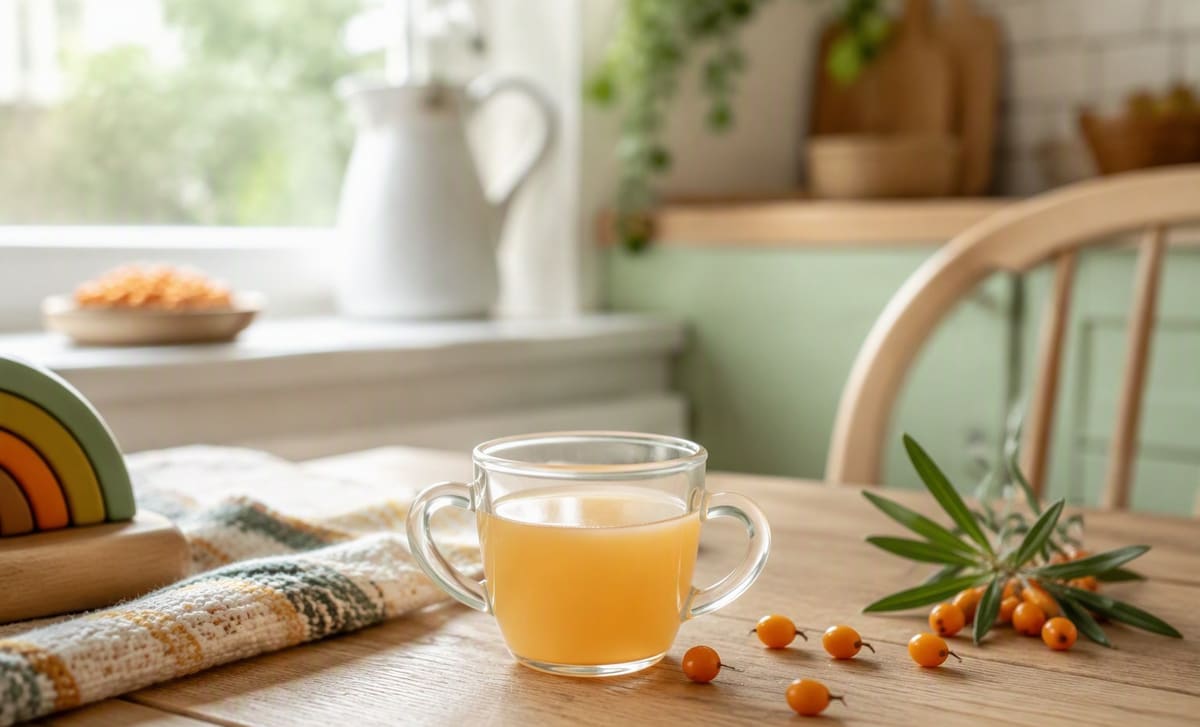
No human trial has dosed sea buckthorn oil supplements in anyone under 18, which makes concentrated supplements an unstudied question for children, not a safe default. Berries and diluted juice as food are unremarkable and fit a normal varied diet. The practical risks live elsewhere: softgels are choking hazards for small children, and gummies look exactly like candy.
The evidence gap, stated plainly
Every human trial we cite enrolled adults. The dry-eye trial, for example, recruited ages 20 to 75. Nothing similar exists for children or teenagers, so anyone claiming a proven supplement benefit for kids is running ahead of the data. Unstudied does not mean dangerous. It means unknown, and unknown means we do not recommend it without a pediatrician involved. The safety overview covers the adult picture, which is the only picture the evidence draws.
Why the trials are adult-only
The gap is structural, not suspicious. Pediatric trials need separate ethics approval, extra consent layers, and doses designed for growing bodies, so supplement research almost always starts with adults and usually stays there. Sea buckthorn is typical: the human trial record begins at age 20 and stops at 75.
What it means practically: you cannot shrink an adult dose by body weight and call it a children’s dose. Children metabolize fats and plant compounds on their own schedule, and the right amount for a 30-kilogram nine-year-old has never been measured. Anyone selling a children’s sea buckthorn supplement with confident dosing is estimating, full stop.
Food is a different conversation
Berries, diluted juice, jam, and syrup are foods with a long traditional record. A child who likes tart flavors can eat sea buckthorn the way they eat other berries. The acidity argues for diluted juice at mealtimes, the same rules as adults.
What food amounts look like, practically
A kid-sized serving is a small handful of berries, a spoonful of jam on toast, or a small glass of juice diluted the way you would dilute any tart juice, at mealtimes. Start at the small end and watch for the obvious: mouth puckering is fine, stomach complaints mean the dilution needs work. The acidity that bothers adult stomachs bothers small ones faster, which is why the diluted-juice rule matters more for kids than for anyone else on this site. The juice explainer covers dilution ratios.
Berries on their own are tart enough that most children self-limit, which parents describe as a feature. Frozen berries, thawed into yogurt or oatmeal, land softer than the raw version. Syrups and jams count as treats, not health foods, because the sugar leads.
The two physical hazards
Softgels are the wrong shape and size for small children: a choking hazard, full stop. Gummies solve that problem and create another one, because a child who finds the bottle will treat it as candy. Store every supplement (gummies especially) out of reach and sight, the way you store medicine. If a child gets into a bottle, US Poison Control at 1-800-222-1222 is the call, with the bottle in hand. Our gummies explainer shows what those products typically contain.
Teenagers: the gray zone
A sixteen-year-old can be adult-sized and still outside the trial record, because enrollment cutoffs follow age, not weight. The conservative reading stays the same through the teens: food forms are fine, concentrated supplements wait. If a teenager has a specific reason (a skin goal, a doctor’s suggestion), that is exactly the situation a pediatrician or family doctor can size up with the dosage page in hand, since the studied amounts are the only honest starting point anyone has.
Skincare marketing reaches teens early, and sea buckthorn appears in acne content aimed at them. The honesty on the acne page applies doubly here: the skin trials enrolled adult women, and teenage skin runs on hormones no berry has been tested against.
If a pediatrician recommends it
Doctors do sometimes suggest sea buckthorn, usually the oil for skin or the juice for its vitamin content. Two questions keep that conversation grounded: which form, and how much, with the answer written down. Then start low, watch for two weeks, and report back. Bring the bottle if a specific product is already in the house, because the label tells the pediatrician the oil source, the dose per capsule, and the sweeteners. If the suggestion came from a label or an influencer instead, that is not a recommendation, that is an advertisement. A professional recommendation changes who is responsible for the decision. It does not change what the evidence covers, which is still adults only, a fact worth saying out loud so everyone is honest about the plan.
The honest default
Food forms, yes, in kid-sized servings. Supplements, wait for data or a pediatrician’s specific advice. The who-should-avoid checklist puts children in context with the other caution groups. The safety review shows the adult trial tolerability behind every “unstudied in children” sentence on this page.
Frequently asked questions
Can children take sea buckthorn supplements?
There is no studied basis for it: no human trial has dosed sea buckthorn oil supplements in children or teenagers. Berries and diluted juice as food are fine. For supplements, the honest answer is to wait, or to follow a pediatrician who knows your child.
Are sea buckthorn gummies okay for kids?
Gummies solve the choking problem and create a storage problem, because they look and taste like candy. Beyond that, the supplement question is unchanged: no trial has dosed sea buckthorn in children, so gummy supplements carry the same unstudied status as softgels. If you keep them for the adults in the house, store them like medicine, out of reach and sight.