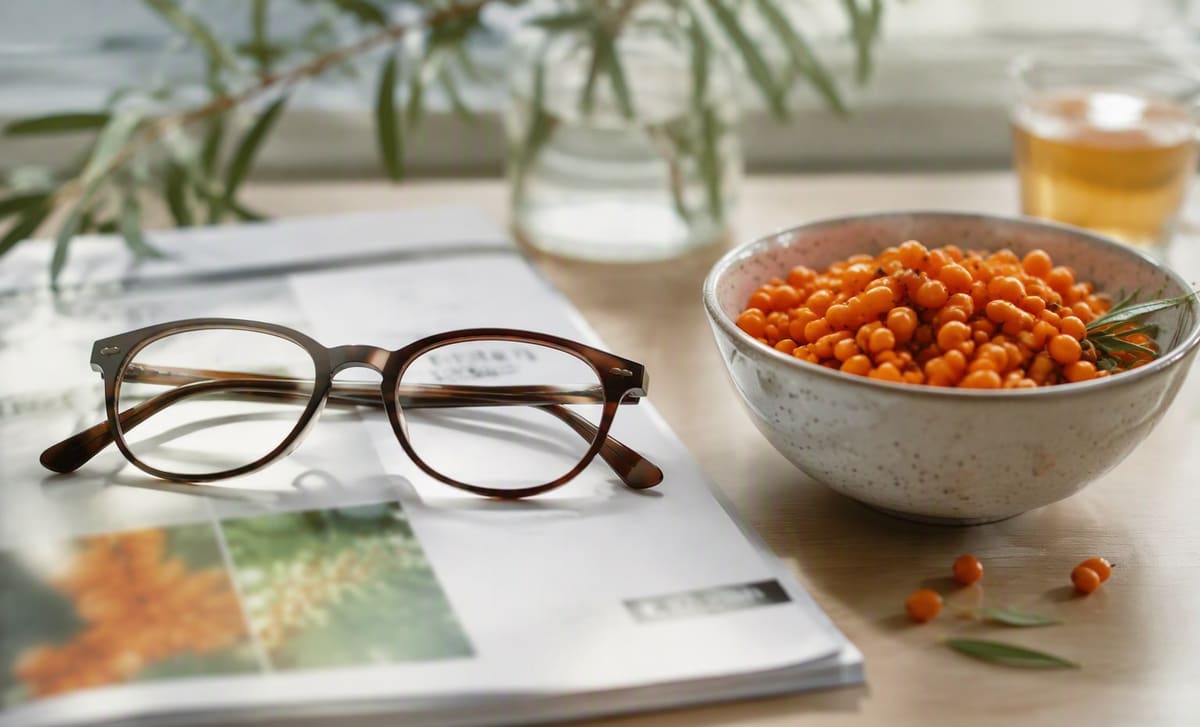
Sea buckthorn is not a cancer treatment, and nothing in the science says otherwise. The research behind the claim is laboratory and animal work only: no human trial has ever tested sea buckthorn against cancer. If you are here because of a diagnosis, your oncology team comes first, and any supplement decision goes through them.
What people are actually searching
Most searches for sea buckthorn and cancer come from one of three places. Someone just heard the worst words of their life and is looking for anything that might help. Someone in treatment wants to support their body through it. Or someone saw a headline about a miracle berry and wants to know if it is real. All three deserve a straight answer, not a sales page, which is the standard the benefits hub applies to every claim.
What the science is
In laboratory dishes, sea buckthorn extracts and their flavonoids slowed or killed various cancer cell lines. Animal studies report related effects. This is genuine, published, early-stage research, and it is where nearly every cancer drug candidate begins.
Researchers have tested several fractions of the plant separately: the flavonoids concentrated in the berries and leaves, the carotenoids that give the fruit its color, and the oil pressed from seeds and pulp. Each fraction has its own lab file, with reports of slowed cell growth, triggered cell death, and interference with the signaling tumors use. That breadth sounds impressive until you remember the setting: every one of those findings comes from a dish or a rodent.
It is also where most of them end. The concentrations used in dishes exceed what the human body absorbs, dishes have no metabolism or immune system, and the great majority of compounds that kill cancer cells in vitro fail in patients. The distance from a petri dish to a person is measured in failed promises, and sea buckthorn has not yet taken a single human-trial step across it. The technical version of this page, with the mechanism gaps explained, is in our research section. The clinical trials page shows what human sea buckthorn trials do exist, and none of them is a cancer trial.
The distance from dish to patient
Three gaps separate a lab finding from a medicine, and sea buckthorn has crossed none of them for cancer.
The first is concentration. Dishes get extracts at levels the human gut never delivers to blood or tissue. Swallowing the berry or its oil produces blood levels a fraction of what those cells experienced.
The second is metabolism. A dish has no liver, no kidneys, no digestion. The human body breaks down and excretes plant compounds within hours, often changing them into different molecules with different effects.
The third is selection. Cancer cells grown in labs are a narrow, well-fed slice of what tumors do inside a person, where they hide from immune systems, build blood supplies, and mutate. A compound that clears a dish faces a far harder exam in a body.
Why the headlines keep coming
If the evidence stops at the lab bench, why does the claim keep circulating? Because the recipe is reliable. Take a real, peer-reviewed cell study, drop the words in a dish from the headline, add a photo of glowing orange berries, and you have a story that spreads. Each retelling trims a little more context, and what started as early-stage pharmacology arrives on your screen as a breakthrough.
The incentive is commercial. Berry and oil sales benefit from borrowed gravity, and no regulator polices the gap between a PubMed abstract and a product page. The result is an ecosystem where the same review papers power hundreds of articles, none of which mention that the scientists involved never claimed otherwise.
What it is not
It is not a treatment, a prevention, or a reason to change anything about your medical care. No honest reading of the evidence supports those words, and any product page using them has left the evidence behind.
If you are a patient right now
Be kind to yourself and be careful with the internet. Cancer makes people vulnerable to exactly the claims this page exists to defuse. Three rules worth keeping: tell your oncology team about every supplement you take, including this berry, because interactions are their call. Be suspicious of any product that profits from your fear. And let the treatments measured in survival rates carry the fight, while berries stay what they are: food, and for some conditions, a modest supplement with small human trials.
Bringing it to your oncology team, concretely
Patients often hesitate to mention supplements because they expect a lecture. Most oncology teams would rather know. Here is a version you can say word for word: I am taking sea buckthorn oil, or thinking about it. Does it conflict with anything in my plan?
Two specifics make that conversation easier. Bring the actual bottle or a photo of the label, because doses and blends vary between products. And ask directly about timing: some teams prefer patients to pause concentrated antioxidant supplements around chemotherapy or radiation days, and that call belongs to them, not to a website.
One interaction is already documented. Berry oil at 5 grams daily showed a mild antiplatelet effect in a small human study, which matters if you take blood thinners or have surgery scheduled. Our page on sea buckthorn and blood thinners has the details. If mouth sores from treatment are the issue, read our honest page on sea buckthorn for mucositis before buying anything.
Frequently asked questions
Should I take sea buckthorn during cancer treatment?
Only with your oncology team's explicit approval. Sea buckthorn has no human cancer trials, so there is no evidence it helps, and concentrated supplements can interact with treatment plans in ways your team needs to weigh. High-dose berry oil also has a mild antiplatelet effect, which matters around surgery and certain therapies. Bring the bottle to your next appointment and let them decide.
Why do some sites say sea buckthorn fights cancer?
They are quoting cell and animal studies without saying so. Lab research found sea buckthorn extracts can slow or kill cancer cells in a dish, which is true, early-stage, and shared by hundreds of plant compounds that never helped a patient. No human trial exists. Sites that skip the words in a dish are selling hope, and hope is not a treatment plan.
Can sea buckthorn prevent cancer?
No human data says that. A prevention claim needs trials that track cancer incidence in people over years, and no such trial exists for sea buckthorn. The lab findings behind the claim are early-stage and shared by many plant compounds that never prevented anything in people. Eating berries as food fits a healthy diet. Counting on them to prevent cancer goes beyond anything measured.